Select your delivery date
Select your delivery date
Few food topics spark as much friendly debate in the South West as the humble pasty. While the Cornish pasty is famous around the world and enjoys Protected Geographical Indication (PGI) status, Devon has its own long-established pasty tradition.
Exactly where the pasty first originated remains a matter of debate, with historical evidence pointing to both Devon and Cornwall. Rather than settling the argument, we'll focus on what makes a traditional Devon pasty distinctive.
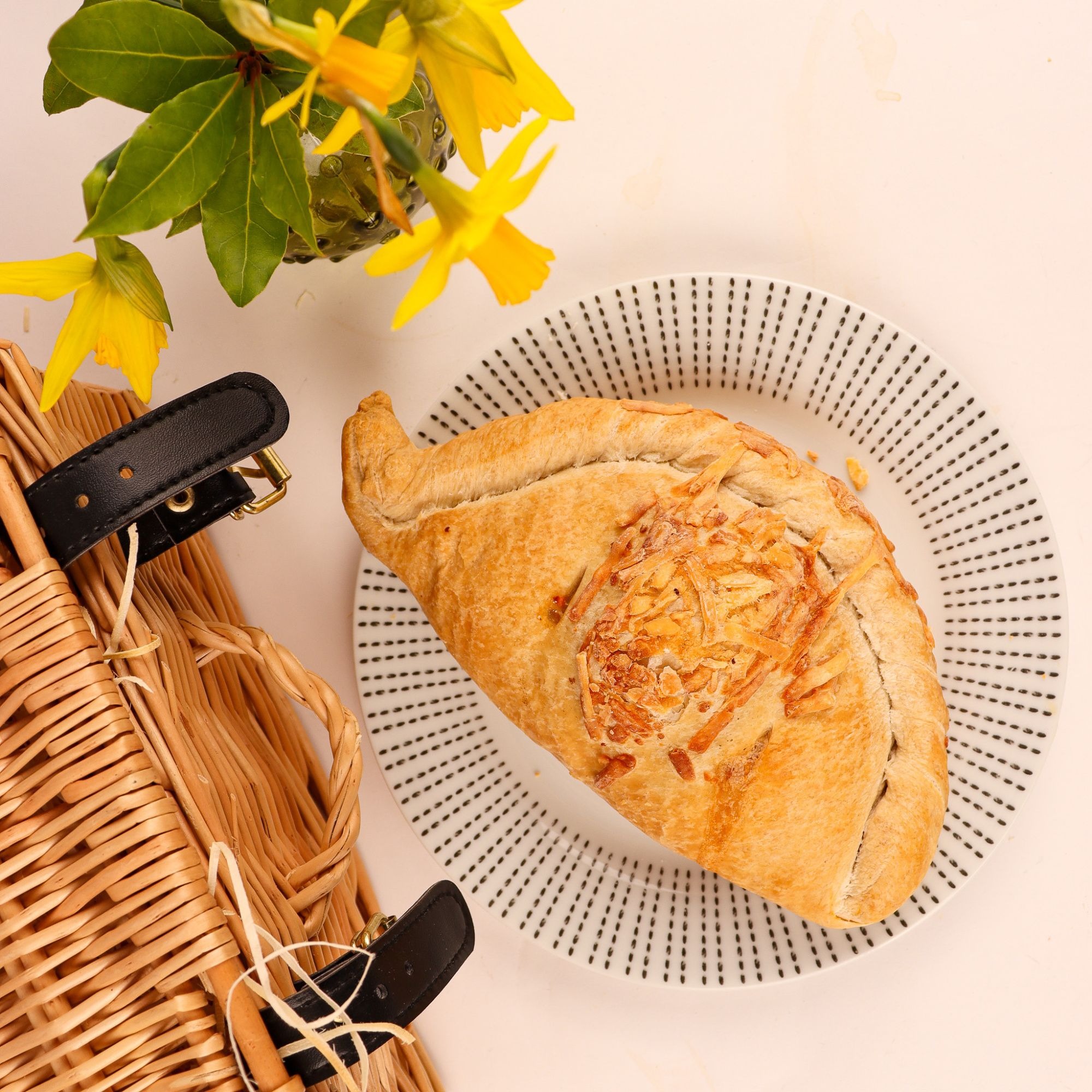
The easiest way to tell them apart is the crimp.
A traditional Cornish pasty has a thick crimp along the side, while a Devon pasty is usually crimped along the top. The side crimp is often linked to Cornwall's mining heritage, with the story that miners held the crimp with dirty hands before discarding it. While it's a popular tale, historians continue to debate whether that's the true origin.
The fillings are very similar across both counties, with beef, potato, swede and onion forming the classic combination. Every family has its own recipe, with small differences in seasoning, pastry and preparation passed down through generations.
The recipe below is a straightforward way to make traditional Devon pasties at home. Once you've mastered the basics, you can experiment with different fillings, make larger family-sized pasties or create bite-sized versions for parties and buffets.
Ingredients (makes 6 medium pasties, or 4 large)
Method
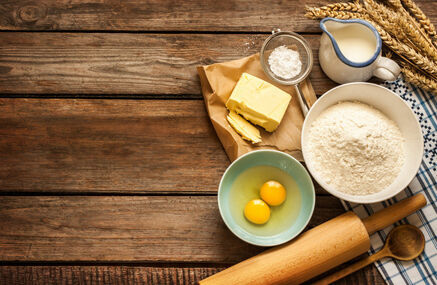
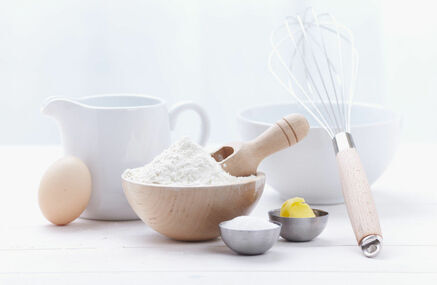
To make the pastry, rub the butter into the flour with your fingertips until the mixture resembles fine breadcrumbs. Add a pinch of salt if using.
Make a well in the centre and gradually add cold water, one tablespoon at a time, mixing with a flat-bladed knife until the dough comes together. Shape into a ball with lightly floured hands, wrap and chill in the fridge for around 30 minutes while you prepare the filling.
Dice the potato, swede, onion and beef into small, even cubes before mixing them together in a large bowl. Season generously with black pepper.
Lightly grease a baking tray. You can line it with baking paper if you prefer, although pasties can occasionally stick to either the tray or the paper.
Preheat the oven to 190°C (170°C fan) / Gas Mark 5.
Divide the chilled pastry into six equal portions. Roll each one into a circle about 5mm thick.
Place a generous handful of filling in the centre of each pastry circle. Lightly brush one edge with water, then fold the pastry over the filling and bring the edges together along the top.
Press firmly to seal.
Crimping takes a little practice. Starting at one end, use your thumb and forefinger to fold and pinch the pastry over itself, working along the seam to create the traditional top crimp. Every baker has their own technique, so don't worry if yours looks a little different. As long as the pastry is well sealed, you've done it right.
Transfer each pasty to the prepared baking tray and brush with beaten egg.
Bake for 45 minutes to 1 hour, until the pastry is crisp and golden brown and the filling is cooked through.
Serve hot and enjoy.
Enjoy your traditional, homemade Devon pasties!

If all this seems like too much work, you could always order our Cornish Steak Pasty or our Cheese & Onion Pasty. Lovingly made in Cornwall, these pasties are full of delicious flavours and ingredients and can make a fantastic addition to a gift hamper!